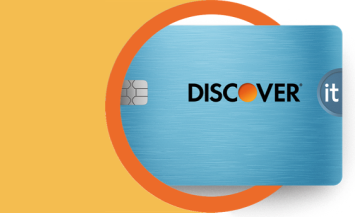







To apply for a Discover credit cards, you don't need a certain credit score, but your credit score still matters during the application process. Discover, like many credit card issuers, takes factors such as your credit score, income and employment into consideration when reviewing your credit card application. A high score may show that you manage your credit cards responsibly. Your credit score could help you secure better rates and a higher credit limit.
Before you begin applying for credit cards, you should know your credit score. Typically, lenders report your activity to each major credit bureau as you use your credit card and manage loans. The credit bureaus use that information to build credit reports. Credit scoring agencies then develop three-digit credit scores based on your credit reports.
The factors that determine your FICO® Credit Score and the average percentage of your score include: payment history (35%), credit utilization ratio (30%), length of credit history (15%), credit mix (10%), and new credit (10%).
Credit scores typically fall into the following credit ranges, depending on the algorithm used:
Federal law allows you to receive one free credit report every 12 months from each of the three major credit reporting agencies, and the three major credit bureaus have permanently extended the program to include one free report per week.
You can request your free credit report at AnnualCreditReport.com (the only website authorized by the federal government).
Additionally, with CreditWise, you can get your FICOⓇ Score 8 and more for free.1
Your credit reports provide information about your credit history, including your payments and accounts. However, credit reports won’t always include credit scores. You may be able to check your credit score on your monthly credit card statement or through online services.
You may have the best interest rates and terms to choose from when you have a high credit score. But you may qualify for most credit cards even with a "good" credit score (670 or above, according to FICO®), if you meet income and employment requirements.
Access to more options means more flexibility to consider cards that align with your priorities. For example, if you tend to carry a balance, you might seek a card with a low introductory interest rate.
You may also qualify for a wide range of rewards credit cards that allow you to earn cash back rewards or Miles as you shop. The best credit card rewards for you may depend on your everyday purchases, like gas or groceries. Some Discover rewards cards have rotating bonus categories, meaning different types of eligible purchases may boost your rewards each quarter.
Earn cash back on everything you buy with Discover rewards cards.
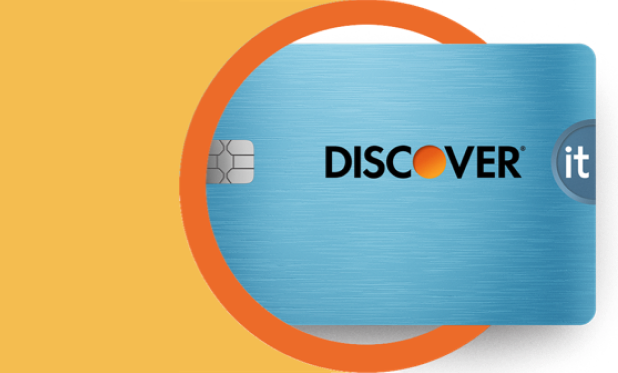
If you take a few trips a year, you may want a rewards card that offers miles or bonuses for travel purchases. With the Discover Travel Credit Card, you earn unlimited 1.5x Miles on travel purchases and all your everyday purchases.2 Plus, you can turn Miles into cash. Or redeem as a statement credit for your travel purchases like airfare, hotels, rideshares, gas stations, restaurants, and more.2
If you have what a scoring model considers a “low” or “poor” credit score or limited credit history, you could still have options. Factors like income, housing expenses, and employment could also help you get approved.
Applying for a credit card might temporarily hurt your credit score. It’s important to avoid applying for too many cards at once. You can find out which cards you'll be approved for and choose the best card for you using a card issuer’s pre-approval tool before applying.
Some types of credit cards may also help people who want to raise their credit scores build a credit history.
A strong credit score may expand your options, help you get a higher credit limit, and help to lower your interest rate.
Next steps

See rates, rewards and other info

See rates, rewards and other info
You may also be interested in
Was this article helpful?
Legal Disclaimer: We hope you found this helpful. Our content is not intended to provide legal, investment or financial advice or to indicate that a particular product or service is available or right for you. For specific advice about your unique circumstances, consider talking with a qualified professional. Capital One does not provide, endorse or guarantee any third-party product, service, information, or recommendation listed above. The third parties listed are solely responsible for their products and services, and all trademarks listed are the property of their respective owners. By clicking on some of the links provided, you may be taken to a third-party website that is not hosted by Capital One. In those cases, the owner of the website is responsible for the website content. Their privacy practices and level of security may be different from Capital One's, so please review their policies. Some of the above information may not describe the features and offerings of your specific Discover account. Please review your account terms for details on your specific account.
The credit score provided in CreditWise is a FICO® Score 8 based on TransUnion data. The FICO Score 8 gives you a good sense of your credit health but it may not be the same score model used by your lender or creditor. The availability of the CreditWise tool and certain features in the tool depends on our ability to obtain your credit history from TransUnion and whether you have sufficient credit history to generate a FICO Score 8. In order to enroll in CreditWise, you need to be a US resident, 18 or older, and have a valid social security number that can be matched to a credit profile from the TransUnion® credit bureau. Some monitoring and alerts may not be available to you if the information you enter at enrollment does not match the information in your credit file at (or you do not have a file at) one or more consumer reporting agencies. You do not need to be a Capital One account holder (which includes Discover card accounts) to sign up for CreditWise.
FICO is a registered trademark of Fair Isaac Corporation in the United States and other countries.
Web access is needed to use the mobile app. Check with your service provider for details on specific fees and charges.
Redeem miles: Redemption rates for these options may vary and are subject to change.