




Most people may need to borrow money at some point, whether they have an emergency expense or just need a little extra cash-flow flexibility. Credit cards and personal loans both may help bridge the gap. But when the need arises, how do you choose? Understanding the differences between the two financial tools could help you make the best decision for your wallet and your life.
Because credit cards and personal loans allow you to borrow money from an institution, they’re both credit. As forms of credit, financial laws regulate both credit cards and personal loans. These regulations restrict unfair lending practices from banks, credit unions, and other lenders.
See if you're pre-approved
With no harm to your credit score1
Both types of credit offer some flexibility. While a tool like a home loan or business loan may only cover specific costs, you could use credit cards or personal loans for most purchases.
However, personal loans and credit cards have some key differences that are important to understand.
A personal loan is an installment loan. When a lender approves your loan application, you typically receive one lump sum that you’ve already agreed upon.
On the other hand, a credit card is a type of revolving credit. Typically, card issuers set a credit limit for each new account, depending on the applicant’s creditworthiness. You may use your credit card as needed, up to your credit limit. If you reach your credit limit, you have to make a payment before you can use your card again.
Personal loans generally have fixed interest rates. You pay interest over the course of your term on the amount you borrow.
For credit cards, interest rates and annual percentage rates (APRs) are closely related. Typically, a credit card has a variable interest rate, which may fluctuate with economic changes. Credit cards often have higher interest rates than personal loans. However, an applicant with a high credit score may qualify for a better rate.
Most credit card companies typically only charge interest on the balance you carry from month to month, so you may save on interest by paying your balance in full.
You typically repay your personal loan in fixed monthly payments over a set term. Your loan payment amount usually stays the same throughout the repayment period.
On the other hand, your monthly credit card bill may vary based on the amount you spent during the billing period, your existing balance, and your interest rate. You may choose to repay your balance in full each month, make the minimum payment your credit card company requires, or pay any amount in between.
Personal loans don’t usually offer rewards, but some credit cards do.
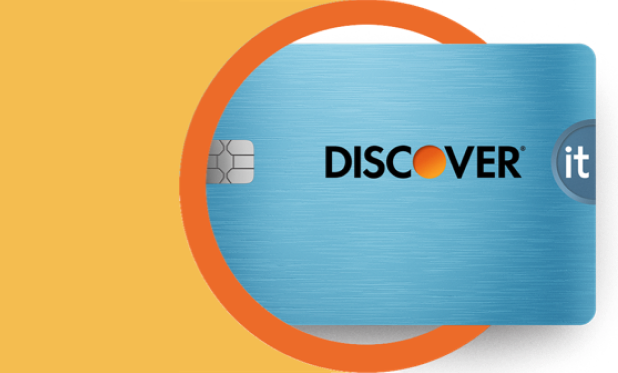
When you use a rewards credit card for everyday purchases, you may earn rewards. For example, with the Discover it® Chrome Card, you earn 2% Cashback Bonus® at Gas Stations and Restaurants on up to $1,000 in combined purchases each quarter, automatically.2
Both credit cards and loans usually appear on your credit report and affect your credit scores. Whether you have credit cards, loans, or both, timely payments are vital for maintaining a strong credit history and high credit score.
Using a credit card may also impact your score by increasing your credit utilization ratio, the portion of your available revolving credit in use at one time. High credit utilization may hurt your score, so it’s a good idea to keep your balances well below your credit limits. Personal loans don’t affect credit utilization.
Managing a mix of both loans and credit cards responsibly may support your credit mix, which might have a positive effect on your credit score.
For both personal loans and credit cards, fees may vary by lender and product.
Some personal loans may charge an origination or administrative fee, which covers the lender’s processing costs. Your lender may also charge you a late payment fee if you make your monthly payment after the due date or miss a month.
Certain credit card issuers may charge an annual fee, especially for rewards credit cards. Other credit card fees to look out for may include:
The distinctions between credit cards and personal loans make them each uniquely suited for distinct circumstances.
Credit cards could help you manage everyday expenses, like gas, groceries, food, or your morning cup of coffee. To avoid mounting debt, try to use a credit card for purchases you could pay off by the end of the month. Typically, repaying your balance each month protects you from owing much interest.
Did you know?
If you already have several high-interest credit cards that you’re struggling to manage, you may also consolidate them using a balance transfer credit card offer with a low introductory interest rate.
When you need help financing a specific major expense, like a medical bill, home repair, or cross-country move, a personal loan may help. Because they pay a set amount, you may borrow exactly what you need.
A personal loan with a low interest rate may also work well for debt consolidation. If you have several other outstanding loans that have become difficult to repay, you could use a personal loan to secure more reasonable terms.
You may also easily incorporate personal loan payments into your monthly budget. Because installments and interest are fixed and don’t change, you shouldn’t face any surprise bills. However, missed loan payments may quickly hurt your credit score, so budgeting carefully is important.
If you’re deciding between a personal loan and a credit card, you may want to consider the type of expense you wish to cover, your budget, and your financial goals. Whatever you choose, responsible habits could help you maintain a good credit score.
Next steps


See rates, rewards and other info
You may also be interested in
Was this article helpful?
Legal Disclaimer: We hope you found this helpful. Our content is not intended to provide legal, investment or financial advice or to indicate that a particular product or service is available or right for you. For specific advice about your unique circumstances, consider talking with a qualified professional. Capital One does not provide, endorse or guarantee any third-party product, service, information, or recommendation listed above. The third parties listed are solely responsible for their products and services, and all trademarks listed are the property of their respective owners. By clicking on some of the links provided, you may be taken to a third-party website that is not hosted by Capital One. In those cases, the owner of the website is responsible for the website content. Their privacy practices and level of security may be different from Capital One's, so please review their policies. Some of the above information may not describe the features and offerings of your specific Discover account. Please review your account terms for details on your specific account.
Any pre-approved offers you receive may have offer terms that vary from other offers you see elsewhere. Some card products are not eligible for pre-approval.
2% Cash Back at gas and restaurants: You will earn 2% cash back on your first $1000 in combined purchases at gas stations (stand-alone) and restaurants each calendar quarter. Calendar quarters begin January 1, April 1, July 1, and October 1. Purchases at gas stations and restaurants over the quarterly cap, and all other purchases, except as noted below, earn 1% cash back. Gas station purchases include those made at merchants classified as places that sell automotive gasoline that can be bought at the pump or inside the station, and some public electric vehicle charging stations. Gas stations affiliated with supermarkets, supercenters, and wholesale clubs may not be eligible. Restaurant purchases include those made at merchants classified as full-service restaurants, cafes, cafeterias, fast-food locations, and restaurant delivery services. Restaurants located inside of or affiliated with another business, such as hotels or retails stores and establishments classified as a bakery, may not qualify. Purchases must be made with merchants in the U.S. To qualify for 2%, the purchase transaction date must be before or on the last day of the offer or promotion. For online purchases, the transaction date from the merchant may be the date when the item ships. Rewards are added to your account within two billing periods. Capital One uses merchant category codes to determine if a purchase is in one of the additional cash back categories. This means that sometimes a purchase may not earn additional cash back. For example, some food trucks or food carts may use a merchandise code and restaurants in department stores or hotels may use a merchandise or hotel code instead of a dining code. Certain third-party payment accounts and digital wallet transactions may not earn additional cash back if the technology does not provide sufficient transaction details or a qualifying MCC. Capital One is not responsible for merchant category codes used by merchants. Applies to all rewards: Earnings will apply to net purchases (purchases minus any credits or returns). Cash advances, balance transfers, transfers from Discover or Capital One checking or other deposit accounts, and checks used to access your account are not considered purchases and will not earn rewards. Portions of purchases paid with rewards, transactions that do not comply with our policies and/or applicable laws, or any cash you receive in connection with a purchase at the point of sale through Discover's Cash at Checkout feature will not earn rewards. See Your Rewards Program Terms & Conditions and your online account for more details.