Young women walk down the street laughing and drinking coffee.

How to Choose the Best Cash Back Credit Card for You

7 min read
Last Updated: January 8, 2026

Table of contents

Key Takeaways

  1. Cash back cards may offer a flat rewards rate, tiered rewards, or have rotating bonus reward categories.

  2. A card with a high rewards rate for the types of purchases you make most often may help you earn more cash back.

  3. You may get the most out of your cash back card by practicing responsible credit habits.

With a cash back credit card, you may earn rewards on everything from breakfast to a home renovation. And when you redeem those rewards for a statement credit, cash, or gift cards, they may add to your spending money. Card issuers offer a wide range of cash back cards that accrue rewards differently. With so many cash back cards available, how do you find the right fit? 


The best card for you depends on your unique financial circumstances and priorities. By comparing features, fees, and requirements, you may find a card that fits seamlessly into your lifestyle.

Compare different cash back rewards

Cash back rewards credit cards may help you earn rewards in different ways, such as:

  • Flat-rate rewards. Flat-rate rewards cards offer the same cash rewards rate on every eligible purchase.
  • Tiered rewards. Cards with a tiered rewards structure offer a higher cash back rate for purchases in certain categories. Typically, most everyday purchases may earn cash back at a low flat rate, but purchases in bonus categories earn more.
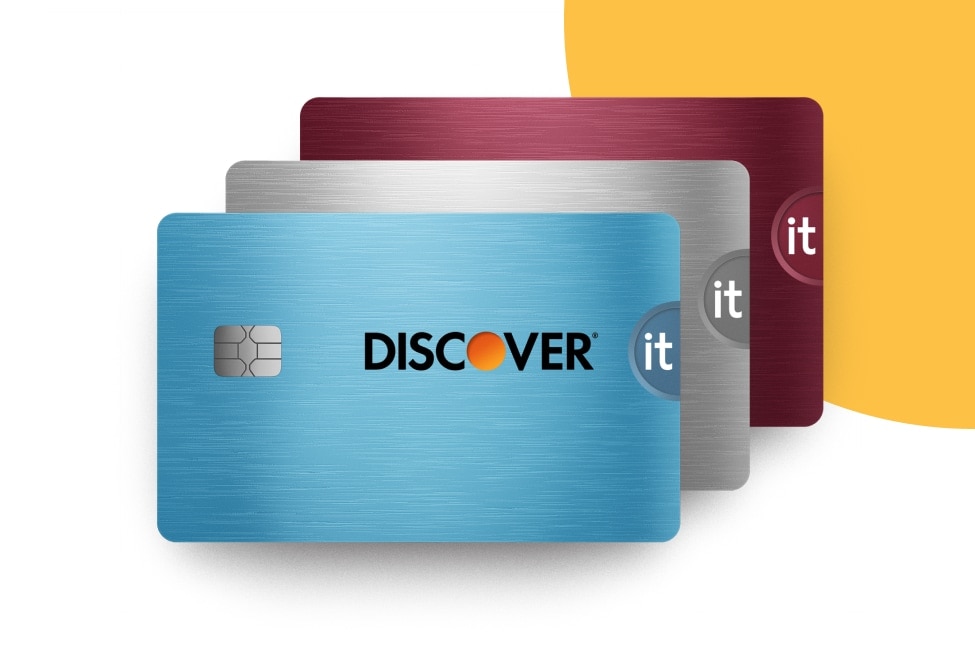
  • Rotating rewards. Some cash back credit cards have tiered rewards categories that rotate throughout the year. You may earn extra rewards up to a certain amount in every bonus category each quarter. For example, with the Discover it® Cash Back Credit Card, you earn 5% cash back on everyday purchases at different places you shop each quarter like grocery stores, restaurants, gas stations, and more, up to the quarterly maximum when you activate.

Compare cash back credit card features and fees

A high rewards rate isn’t the only thing you should look for in a cash back credit card. Consider how a card’s features, terms, and fees may impact your overall earnings.

Features

  • Welcome offer. Some credit cards offer introductory bonus cash back rewards for a set period, like the first year you have the card. New cardmembers may be eligible for extra cash back rewards as a perk for opening the card account. Bonus eligibility, amount, and length of the promotion vary. Not all rewards cards offer unlimited cash back, and some require you to reach a minimum spending requirement.
  • Other perks. Some cash back cards may come with additional benefits, like special security features, online banking tools, or extended warranty plans.

Terms

  • Rewards redemption rules. Some credit card issuers may set requirements and limitations for redeeming your rewards. You might have to spend a certain amount on your card by a set date or earn a certain number of rewards to redeem. You should also make sure the redemption options, like a statement credit or gift cards, work for you.
  • Introductory interest rates. Some cash back cards offer a low introductory interest rate for the first few months after opening your account. Introductory interest rate promotions may be beneficial if you plan to make a large purchase or want to transfer a balance from a higher-interest credit card to a lower-interest card.

Did you know?

Only Discover® has unlimited Cashback Match for all new cardmembers: we'll match all the cash back you've earned at the end of your first year.1

Fees

  • Annual fee. Some card issuers charge a yearly fee to keep your card active, which may offset your rewards. Discover has no annual fee on any of our cards.
  • Foreign transaction fee. Some card issuers charge a foreign transaction fee for purchases made outside the U.S. or online in a foreign currency. Discover® has no foreign transaction fee.
  • Balance transfer fee. A balance transfer from one or more credit cards to another credit card is subject to a fee, which is often a percentage of the amount transferred.
  • Cash advance fee. You may expect to pay a fee if you withdraw cash from your credit card account. Sometimes it’s a flat fee, but more often it’s a percentage of the cash advance amount.
  • Late payment fee. If you don’t make your minimum payment by the due date, your card issuer could charge a late fee.

Check your credit score

Before you apply for any credit cards, you should have an idea of your current credit standing. You may access a free credit report from each major credit bureau at AnnualCreditReport.com once a week. While your credit report doesn’t always include your credit score, it may provide valuable insight into your credit file. You may access your credit scores for free from the credit reporting agencies or other online services. Knowing your credit score may help you determine what cash back credit cards you qualify for.

You typically need a strong credit score to qualify for some of the best cash back credit cards. Even if you’re new to credit or rebuilding your credit score, you may still have some options. For example, there’s no credit score required to apply for a Discover it® Secured credit card.2 But you may still enjoy earning rewards on every purchase with your card.

Learn how the Discover it® Secured credit card can work for you

Which credit card gives the most cash back?

You may earn the most cash back by choosing a card that aligns with your spending habits, rather than the card with the highest rewards rate. A tiered rewards credit card with a higher cash back rate in certain categories may not be the best credit card for you if you don’t typically spend money in those categories.

A card with a more modest rewards rate may give you the most cash back if you reach for it every time you shop or have a night out. For example, restaurant cash rewards cards may be the best cash back credit cards for someone who goes out to eat every week, but it’s probably not the best everyday card for you if you prefer to cook.

You should also consider how you prefer to manage rewards. If you don’t mind tracking bonus categories, you may maximize your rewards from a rotating rewards card. But if you’d rather have a low-maintenance card, flat-rate rewards may work better.

Ways to maximize a cash back credit card

You may increase your rewards with a few strategic steps and responsible decisions.

  • Consider a card with no annual fee. Fees may offset the value of your rewards. 
  • Keep your credit card balance to a minimum. Interest charges may reduce your cash back.
  • If your card offers rotating bonus categories, remember to enroll in each offer. 
  • Use your card’s other perks, if applicable.
  • Keep an eye on rewards expiration dates. With Discover®, your rewards don’t expire for the life of the account.3 But with some other issuers, if you don’t use your rewards in time, you lose them.
  • Pay your balance in full each month.
  • Try to use your card for every purchase in a rewards category. For example, use your gas card every time you fill your tank. You may pay down the cost immediately to avoid accruing debt.
  • Make the card that earns the most cash back your everyday card.

Applying for a cash back credit card

Applying for a cash back credit card isn’t any different from applying for other types of credit cards. Before applying, you may use a pre-qualification tool to see if you’re likely to qualify for a credit card based on your current credit score and other financial factors. In fact, you may easily check if you’re pre-approved for a Discover® Card with no harm to your credit score.4

Once you know what you may qualify for, you can apply for the cash back card that makes the most sense for you.

The bottom line

Ultimately, the best rewards card for you depends on your unique shopping habits and priorities. You may even mix and match credit cards to meet your needs. For example, maybe you already earn cash back on your morning coffee or your weekly groceries, but you also vacation a lot. In that case, you might consider adding a travel rewards card to the mix.


No matter what card you choose, responsible credit habits, like paying your bill on time every month and keeping your balances low, may help you maximize your rewards.

Next steps

You may also be interested in

Share article

Was this article helpful?

Glad you found this useful. Could you let us know what you found helpful?
Sorry this article didn't help you. Can you give us feedback why?

Was this article helpful?

Thank you for your feedback