





Group of diverse students walk and talk together.

Credit Cards for Students with No Credit History

7 min read
Last Updated: February 10, 2026

Table of contents

Key Takeaways

  1. A college student with no credit history might consider a student, secured, or store credit card.

  2. If you’re not ready for a credit card of your own, you may build credit history as an authorized user on a trusted friend or family member’s account.

  3. Before applying for a credit card, consider potential fees, rewards, and interest rates.

Managing your money in college may be challenging, especially if you’re working part time around a hectic class schedule. A credit card might help you cover everyday costs and build credit history while you learn about responsible credit card use.

Getting approved for a regular credit card may be tough for a college student who hasn’t had a chance to build a credit history. Fortunately, some credit card issuers offer options for college students who are ready to begin building credit history.

Best credit cards for students with no credit history

If you’re a college student, you may want to consider a few credit card options designed for people with limited credit history. The best fit depends on your specific needs and priorities.

Student credit cards

Student credit cards are designed specifically for busy college students who may not have a substantial income or extensive credit history.

A student card typically has more lax eligibility requirements than a traditional credit card. For example, there’s no credit score required to apply for Discover® Student credit cards.1

Student credit cards are accessible partly because they typically come with lower credit limits than standard credit cards. A lower credit limit may help you keep your spending under control as you learn good credit habits with your first credit card. After several months of responsible card use, you may qualify for a higher credit limit.


Some student cards may also offer benefits that align with your priorities. If you want to earn rewards on everyday purchases, like coffee or gas, you might consider a student cash back card.


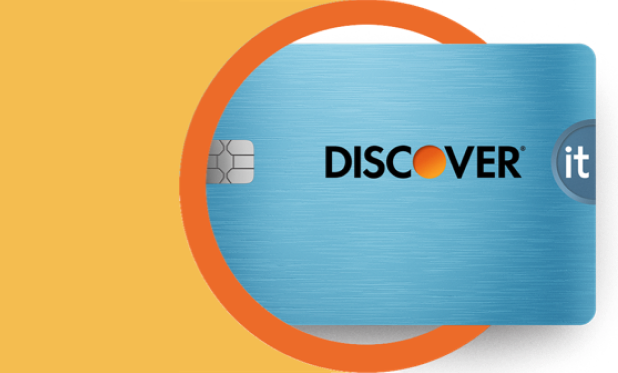
For example, with the Discover it® Student Chrome card, you can earn 2% Cashback Bonus® at Gas Stations and Restaurants on up to $1,000 in combined purchases each quarter, automatically. Plus earn unlimited 1% cash back on all other purchases.2

Secured credit cards

A secured credit card may be a good alternative to a student credit card. When you open a secured credit card account, you provide a refundable security deposit to back your credit line.


The cash deposits protect credit card issuers from losing money if secured cardmembers default, which offsets the risk of lending to people who are new to credit. You may be eligible for a secured card if you have a limited credit history or a low credit score.


A secured card isn’t a debit card. When you use it, you don’t draw funds from your cash deposit. Instead, you use a secured card like you would use a student card or any other traditional credit card. As you spend money, your balance increases. You make monthly payments to reduce your balance.


You may establish a positive credit history with a secured card by practicing good credit habits, such as keeping your balances low and making each monthly payment on time. When you close your account or upgrade to an unsecured credit card, you receive your balance back.

Store credit cards

Retailers and other merchants may offer their own store credit cards. Some store cards may only be used in the businesses that issued them, while others are more flexible. When you use your store credit card, you might earn rewards in the retailer’s loyalty program. As long as the card issuer reports to at least one major credit bureau, activity on a store credit card may appear on your credit report and help you establish a credit score.


When you apply for a store credit card, the issuer often conducts a hard credit check. However, many store cards don’t require a long credit history. Store credit cards may work well for students who want to establish credit but aren’t quite ready for a regular credit card.

Becoming an authorized user on someone else’s credit card

If you’re having trouble qualifying for a credit card of your own, you may consider becoming an authorized user on a trusted friend or family member’s credit card account.


After the primary cardmember adds you to their credit card account, you get your own physical credit card connected to the account. Account activity, whether yours or the primary cardmember’s, may affect both of your credit scores. It’s important to agree on expectations and responsibilities before becoming an authorized user on someone else’s account.

Applying for a credit card as a college student

You may apply for a credit card over the phone, in person, or even by mail, but online applications are often the most convenient option. Each credit card application may look a little different, but you should generally prepare to provide the following information when you apply:

  • Full legal name
  • Current address
  • Birth date 
  • Current employment status
  • Proof of enrollment in an eligible educational program (like college), if you’re applying for a student credit card
  • Social Security number (international students and others without a Social Security number may be able to use an Individual Taxpayer Identification Number instead)
  • Approximate monthly housing expenses, like rent
  • Approximate yearly or monthly income
  • Phone number
  • Email address

Completing and submitting an online application may only take a few minutes. And you might even receive a response right away or within a few days.

Choosing a credit card when you have no credit history

You may find the best credit card for you by comparing a few important factors:


  • Fees: Read the credit card details carefully to identify any fees that may add to the cost of your credit card, like a foreign transaction fee, late fee, and annual fee. Discover has no annual fee on any of our cards.
  • Interest rates: The annual percentage rate (APR) on your credit card determines how much interest you’ll owe if you carry a balance. If a card offers a low introductory APR, make sure you know how long the introductory period lasts before the standard APR kicks in.
  • Rewards: Look for a card that offers a high rewards rate on the types of purchases you already make.
  • Welcome offers: Some credit cards may offer additional rewards for new cardmembers, like extra cash back, in the first year after you open a new account.

Did you know?

You may have to spend a certain amount to earn some welcome offers, which may lead to overspending. Only Discover has unlimited Cashback Match for all new cardmembers: we’ll match all the cash back you've earned at the end of your first year.3

The bottom line

If you’re a student starting with no credit history, you still have several choices for accessing credit, from a student credit card to becoming an authorized user. Each option is an opportunity to learn valuable credit management skills and begin building credit history. Finding the right credit card for you may be the first step toward a great financial future.

Next steps

You may also be interested in

Share article

Was this article helpful?

Glad you found this useful. Could you let us know what you found helpful?
Sorry this article didn't help you. Can you give us feedback why?

Was this article helpful?

Thank you for your feedback