
When to use a debit card: 3 times it makes sense
Your debit card is a tried-and-true payment method within your physical or digital wallet; here are three of its advantages.
With so many payment options available these days—credit cards, payment apps, digital wallets—it can be tricky to know when to use a debit card. Here are three common situations when using your debit card makes sense, along with some tips to help you make the most of your card’s features.
1. When you need cash
If you need to withdraw cash, using your debit card at an ATM is often the easiest way. To avoid ATM fees, use machines within your bank’s preferred network. Finding a place to withdraw money is a breeze with Capital One since you have access to over 70,000 fee-free ATMs nationwide.1
It might also be convenient to ask for cash back at checkout when making a debit card purchase at many stores, some of which offer this service for free. This practice also saves time by helping you avoid a separate ATM trip.
Using your debit card more often can get you in the mindset of spending only what’s in your account.
2. When you’re sticking to a budget or paying off debt
Since debit cards draw money directly from your checking account, they can be a great way to avoid overspending. That’s because using a debit card that’s tied to your checking account helps you avoid spending beyond your available funds. To ensure you don’t overdraw your account or drop below a balance at which you’re comfortable, you should monitor your spending and your checking account balance closely—it’s easy via online banking or your financial institution’s app. Managing your Capital One account is straightforward with a self-serve experience that puts you in control of your banking.2
To help you stay on top of your finances, many banks offer budgeting tools that work with your debit card and your checking account. Having a clear budget allows you to get real-time insights into your financial habits and lets you make spending adjustments as needed.
Also, by limiting most of your spending to your debit card, you can avoid adding to your outstanding debts on your lines of credit as you work on paying them down.
3. When you want to avoid credit card balances
Large balances on your credit cards accrue interest, making your purchases more expensive over time.
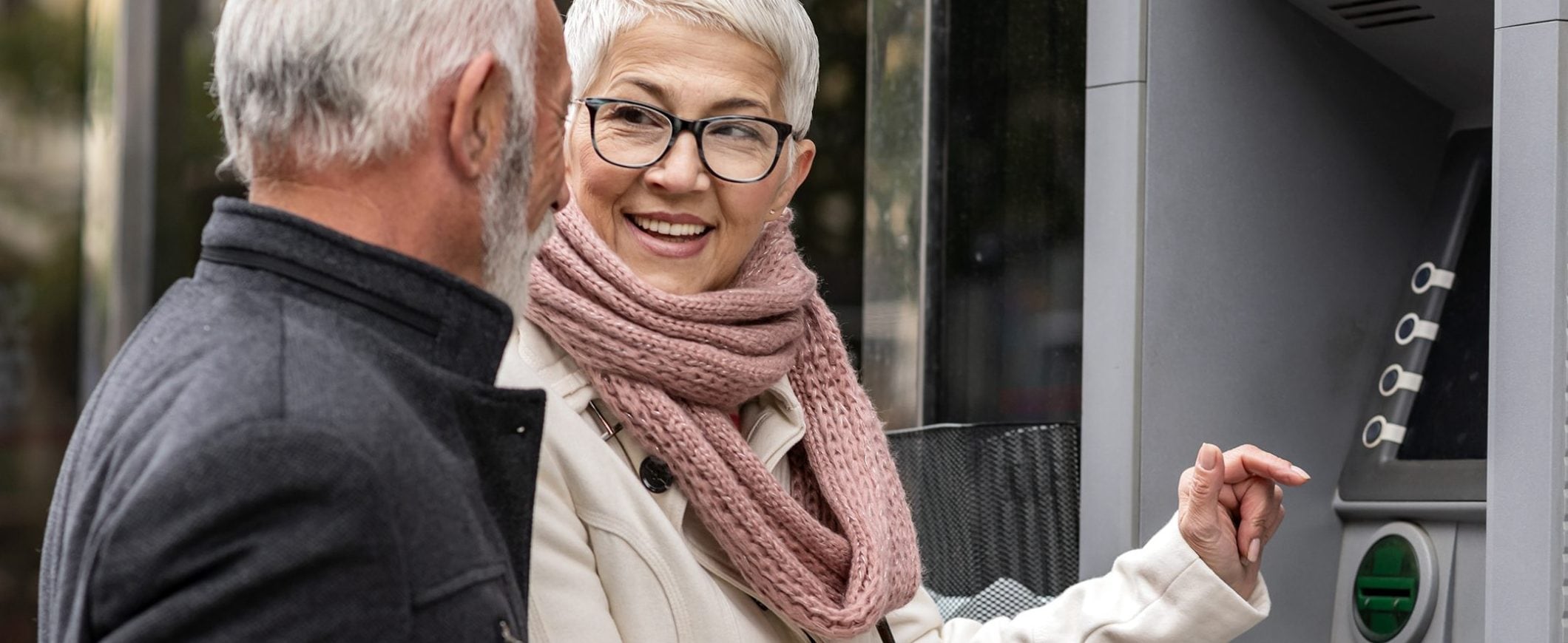
Using your debit card more often can get you in the mindset of spending only what’s in your account—thus helping you avoid those excessive credit card balances and costly interest charges.
Tip: Know when to use a debit card vs. credit card
It’s smart to strike a responsible balance between debit and credit cards in your financial life. Credit cards can help build your credit score and might offer valuable rewards, but relying too heavily on them can result in unwanted debt—particularly if you don’t have a realistic plan to pay them off. Consider saving credit cards for specific purposes—like emergencies or planned large expenses—to help you maintain a healthy approach to spending. Also be mindful that some businesses, such as retailers or restaurants, may have an added charge for paying with credit that you won’t have to pay for debit card transactions.
It’s quick and simple to pay for your groceries or coffee by just tapping your Capital One contactless debit card at the register.2,3
1Competitor bank comparison is based on size of branded and partner ATM networks and cited fees as of 9/10/25. Competitor set is based on Top 25 banks by estimated domestic retail deposits from the FDIC’s Summary of Deposits report effective June 2024. Retail deposits are estimated as total outer fenced capped deposits plus total uncapped direct deposits. Banks which did not file a Summary of Deposits report are sourced from various company reports. Consumers should research all products before opening.
As of August 21, 2025, there are at least 1,260 Capital One ATMs, 35,000 MoneyPass® ATMs and 40,000 Allpoint® ATMs.
The Capital One ATM network offers Capital One checking customers free access to Capital One, MoneyPass® and Allpoint® ATMs.
Fee-free ATM access is limited to consumer and business checking accounts.
All Capital One ATMs, including Café ATMs, have a $3 fee for any non-Capital One customer.
2Smartphone access is needed to use mobile banking and the mobile app. Check with your service provider for details on specific fees and charges.
The site may be unavailable during normal maintenance or due to unforeseen circumstances.
3The 360 Checking account has no monthly cycle service charge and no minimum balance required to open or maintain the account.
Articles may contain information from third parties. The inclusion of such information does not imply an affiliation with the bank or bank sponsorship, endorsement, or verification regarding the third party or information.
The information provided herein is for informational purposes only and is not intended to be construed as professional advice. Nothing contained in this article shall give rise to, or be construed to give rise to, any obligation or liability whatsoever on the part of Discover, a division of Capital One, N.A., or its affiliates.


