Have you ever found an error on your credit card statement? It can be an unsettling experience.
Most credit cards offer the ability to dispute a charge on your account, including:
If any of these happen to you, it’s important to act quickly to protect your finances, credit score, and overall security on your credit card account.
It starts when you open your credit card statement or use your online banking account to review your activity. You see a charge you don’t recognize or didn’t authorize. While it could be an honest mistake by a retailer, it could also be the result of someone stealing your card information and using it without your permission.
Even if you recognize the charges, some line items on your credit card statement may not look quite right. Common disputes may look like:
The Fair Credit Billing Act protects credit card customers from being held responsible for certain charges. Under the act, there are three main categories under which you have the right to dispute a charge.
Did you know?
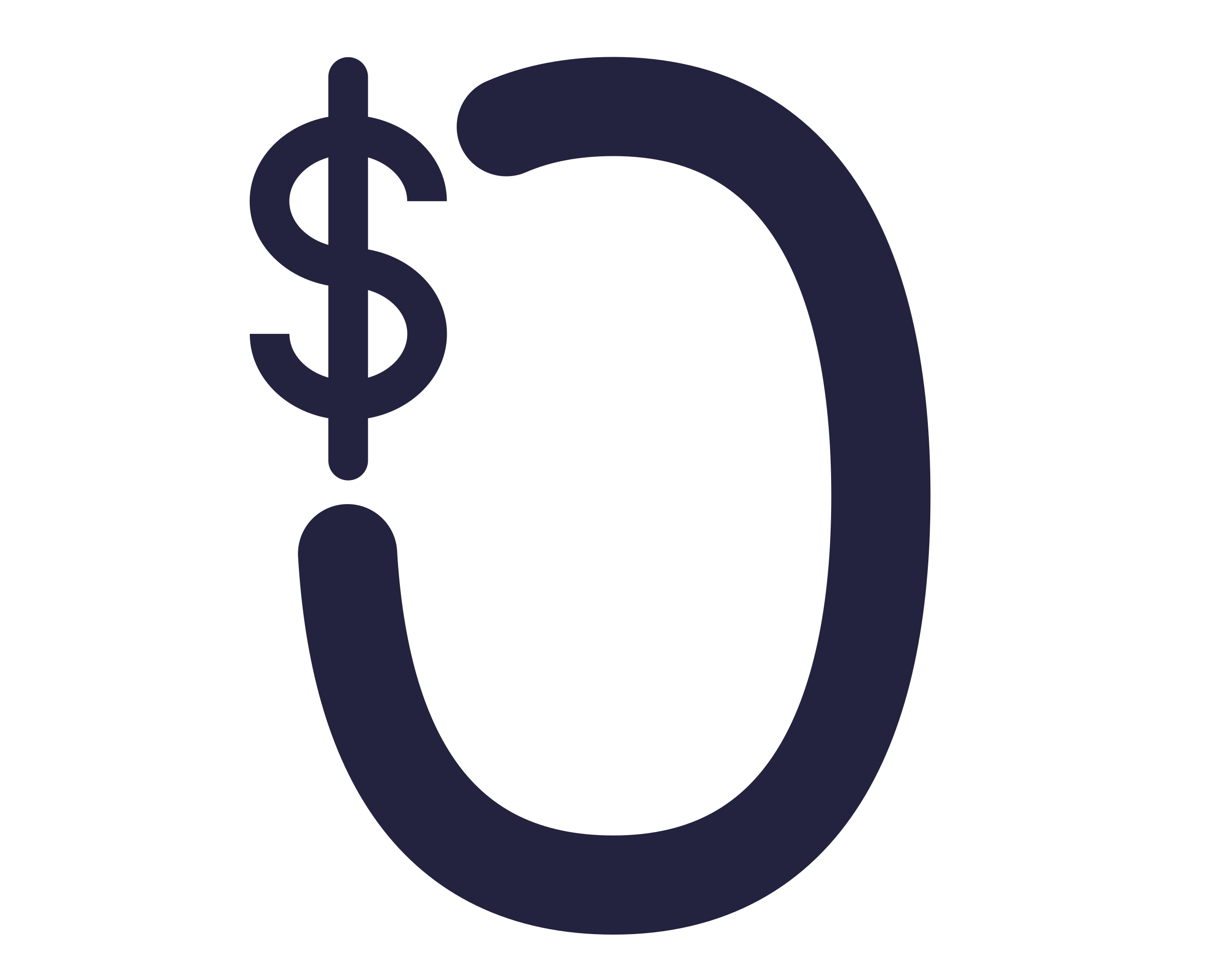
Discover® cardmembers are protected with $0 Fraud Liability. You’re never responsible for unauthorized purchases on your Discover Card.1
A transaction is considered fraudulent if there is unauthorized use of your credit card. According to the Federal Trade Commission (FTC), federal law prohibits you from being responsible for any unauthorized charges over $50.
Billing errors are when merchants charge you for something by mistake, or when there’s an error on your billing statement. According to the FTC, examples of such errors you can dispute are:
You can make a transaction dispute when a retailer refuses to correct a service issue. Service issues include:
While you’ll need to make a good-faith effort to solve the problem with the merchant first, you can also dispute a credit card transaction when there are these types of service issues.
When you need to dispute a charge, it can feel daunting at first. But if you have an issue with a charge on your credit card, consider these options to help you sort it out.
Make sure you aren’t missing errors or signs of fraudulent activity by reading your credit card statement thoroughly and confirming your statement balance each month. You can review your statement online or in your paper-based credit card bill that arrives by mail.
When you review your credit card statement, watch out for any unusual activity like:
An unusual item or a strange merchant name can signify that something isn’t right.
You can resolve some unauthorized credit card charges with a simple phone call to the company where the charge originated. For example, if a store made a billing error by charging you twice for an item, they may offer you a refund.
A transaction from an unfamiliar name or location could mean a couple things, and a call to the merchant could clear things up. For example, they might operate their business under a different name than their storefront or have an office or warehouse in another town.
If you’re unsatisfied with a purchase, the store may agree to offer you a replacement or a refund without the need to dispute a charge. The most important lesson here is that you should reach out to the merchant or service company first and try to figure out what’s going on.
If you have concerns about what appears on your billing statement, you can reach out to your credit card company and dispute the unauthorized charge. The sooner you reach out the better.
If you can’t resolve a billing dispute directly with the merchant, the next step would be to contact your credit card issuer and work through their dispute process. You'll likely need to specify the name of the business as it appears on your statement, the date of the charge, the disputed amount, and the reason for the disputed charge. The Consumer Financial Protection Bureau states that to protect their rights, consumers must send a written billing error notice to their credit card company within 60 days.
Per the FTC, credit card companies cannot charge you for the disputed amount and related charges while the investigation is ongoing. However, you’ll still need to pay the part of your bill not in question.
It may take a while to complete the investigation. Look for messages from your credit card issuer, either asking for additional information or to inform you that the investigation has been completed. Quickly responding to these messages will help speed up the process.
If the merchant or credit issuer resolves the dispute in your favor, they’ll provide a credit card chargeback and the credit becomes permanent. If the investigation concludes that you’re not entitled to the credit, the original charge will be reapplied to your account and you’ll be responsible for payment.
You can settle most disputes one way or another in approximately 60 days. Check with your credit card company for specific timeframes.
When you find a strange charge on your credit card statement, you may immediately feel panicked or stressed, especially when facing the idea of late fees or interest charges that could affect your credit score. For greater peace of mind, check your statement diligently, understand your credit card company’s protection policy, and follow these steps to dispute an unauthorized charge.
Next steps


See rates, rewards and other info
You may also be interested in
Was this article helpful?
Legal Disclaimer: We hope you found this helpful. Our content is not intended to provide legal, investment or financial advice or to indicate that a particular product or service is available or right for you. For specific advice about your unique circumstances, consider talking with a qualified professional. Capital One does not provide, endorse or guarantee any third-party product, service, information, or recommendation listed above. The third parties listed are solely responsible for their products and services, and all trademarks listed are the property of their respective owners. By clicking on some of the links provided, you may be taken to a third-party website that is not hosted by Capital One. In those cases, the owner of the website is responsible for the website content. Their privacy practices and level of security may be different from Capital One's, so please review their policies. Some of the above information may not describe the features and offerings of your specific Discover account. Please review your account terms for details on your specific account.